Living Local: Why Walkable Communities Are the Future of Urban Development
At Century Group, we believe in building places where people feel a genuine sense of belonging. That means creating far more than just structures: building connections, encouraging active living, and supporting vibrant local economies. More and more, Urban growth is shifting decisively toward people-centred planning. This leads to choosing neighbourhoods that support live, work, and play, all within walking distance.
Whether or not you have a car, walkable communities are more than a trend; they revive the timeless principles of well-planned urban living. They’re both the past and the future of urban development. Humans were built for walking, and for thousands of years our cities and towns have been, too. At Century Group, we’re leading the shift toward more walkable, connected communities across the Lower Mainland.
The Everyday Impact of Walkable Living
At its heart, walkability is about designing communities that put people first. That includes thoughtfully located homes, safe sidewalks, convenient transit, mixed-use buildings, public spaces and parks, and nearby services and amenities like libraries and community rec centres, all working together to create vibrant, sustainable, and full-of-life neighbourhoods.
Let’s take a look at the many reasons why walkable communities are the way forward.
1. Better for Your Wallet
Living in a walkable neighbourhood leads to significant financial savings. By reducing or eliminating the need for a car, households can save thousands of dollars annually on gas, insurance, interest, maintenance, and parking. Consider also the value of our time: instead of spending half an hour or more in the car to run an errand, residents of well-planned walkable communities have options at their doorstep, freeing up more of their lives to do what they enjoy.
Walkable communities also hold long-term value. Studies show that homes in walkable areas tend to maintain or increase in value more consistently than those in car-dependent suburbs. People are willing to invest in convenience, livability, and community, and walkable neighbourhoods offer all three.
2. Healthier Living
Walking offers plenty of physical and mental health benefits. Walkable communities make it easier for people of all ages to incorporate physical activity into their daily routines without needing to find as much time for the gym. Walking to the store, strolling to a local café, or commuting on foot to school or work can help improve cardiovascular health, manage weight, and reduce stress. Walking is even proven to enhance creativity and spur new ideas.Walkable neighbourhoods also tend to have lower air pollution levels, thanks to fewer car trips. And with ready access to parks, green spaces, and fresh air, residents enjoy a lifestyle that supports both happiness and physical well-being.

3. Walkability Means Safer Streets
Walkable communities also promote public safety in meaningful ways. When people are out and about (walking their dogs, chatting with neighbours, enjoying public spaces), there are more “eyes on the street.” This natural community watch helps discourage crime and fosters a sense of shared responsibility.
Well-lit sidewalks, active storefronts, and community design that encourages visibility all contribute to making a neighbourhood feel safe and welcoming. It’s a win-win: when people feel safe, they walk more, making the community even safer.
Walkable neighbourhoods also very often incorporate more pedestrian- and cycle-friendly street design, which is proven to reduce vehicle accidents.
4. A Boost for Local Businesses
Repeated studies across cities show that walkable neighbourhoods are good for business. Local shops, cafés, restaurants, and services do better when there’s steady foot traffic throughout the day. Instead of the only option being a car trip to visit a big-box store, people can wander their local main street, enjoy a community park with their kids, and support small businesses just steps from home.
This type of environment builds a strong local economy and helps money stay within the community. When people shop locally, they support their neighbours, create jobs, and contribute to the unique identity of the area. At Century Group, we’re passionate about including retail and commercial spaces in our developments to contribute to neighbourhood vitality and sense of place.
5. More Time Together as Families
Walkable communities help families reconnect. Parents and children can walk to school together, enjoying a little extra time before the busy day begins. And once kids are old enough, they can safely walk on their own, gaining independence and confidence along the way.
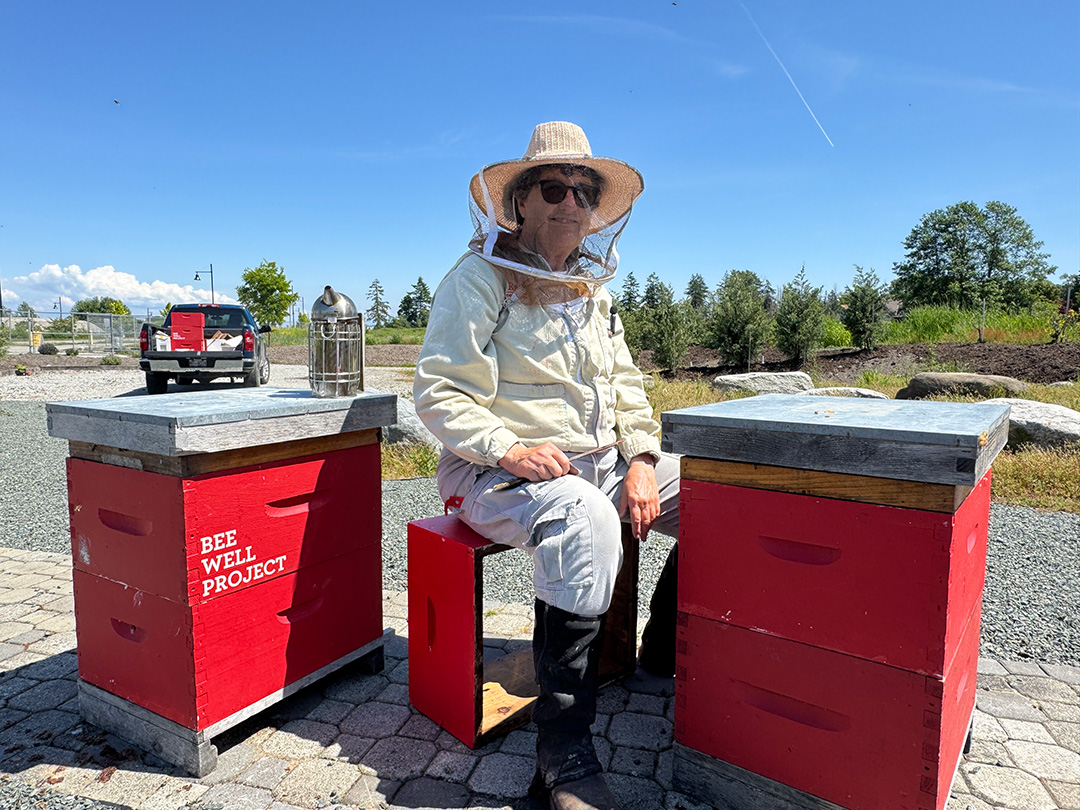
Families in walkable neighbourhoods reclaim time, less commuting means more moments spent together. Whether it’s enjoying the local playground, visiting beehives at a community garden, or meeting up with friends after school, these small, daily moments add up to more options for families to do what they want close to home.Walkable design also empowers older adults (many of whom no longer drive) by supporting independence and access. Accessibility and mobility concerns are always worth incorporating into any community and building planning to ensure everyone can participate in their community as they would like to.
6. Unexpected Joys: Serendipity and Connection
There’s something special about running into a familiar face at the corner coffee shop or chatting with a neighbour on the sidewalk. These spontaneous interactions foster authentic social connection and are much more likely to happen when people are walking instead of driving.
In a walkable neighbourhood, life happens in the open. People greet each other, share a laugh, or lend a helping hand. These small acts of connection foster belonging and remind us that we’re part of something bigger. At Century Group, we design with these spontaneous moments in mind, weaving social spaces and public amenities into the very fabric of our communities.
7. Transit and Walkability Go Hand in Hand
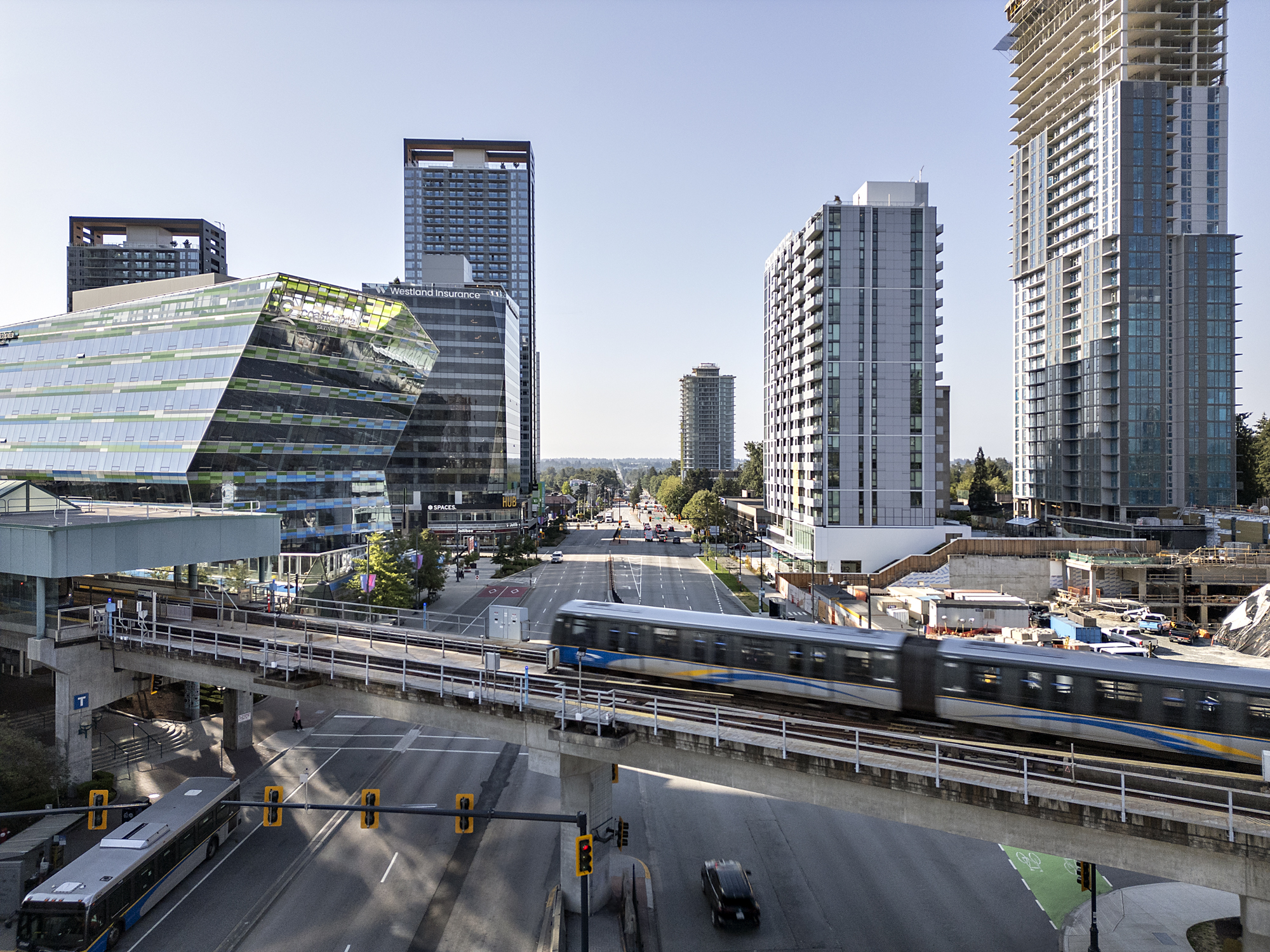
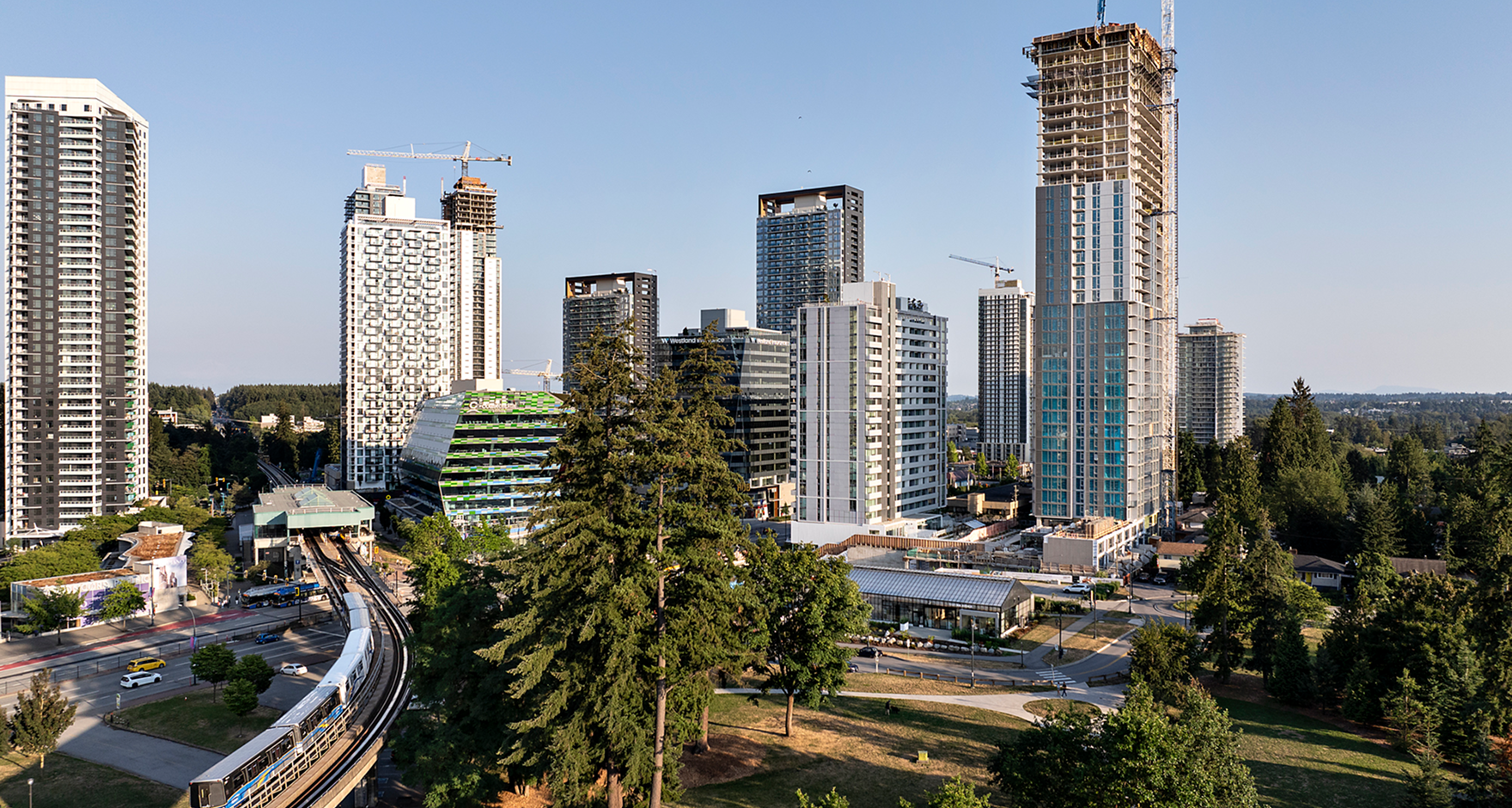
While no neighbourhood can offer everything, seamless transit expands access and opportunity. That’s why we’re proud of projects like Century City Holland Park in Surrey, which is well-connected to SkyTrain and bus lines. Located steps from King George Station, this mixed-use community makes it easy for residents to leave the car behind if they choose to.
Century City exemplifies how walkability and transit can work together. Good transit connections reduce traffic congestion, lower greenhouse gas emissions and air pollution, and give people greater freedom in how they move around the region. With retail, restaurants, public spaces, and homes all within walking distance of transit, Century City brings the vision of a complete community to life.
8. Sustainability for the Future
Walkable communities are a key part of the fight against climate change. Reducing car dependency helps lower carbon emissions, which is essential for creating a greener, more sustainable future. Walkable neighbourhoods also support more efficient land use, preserving natural areas and reducing urban sprawl into wilderness or farmland.
We want to be building communities that are good for people and good for the planet. Our developments are guided by smart growth principles that promote living options for people at all life stages, diversity of amenities, and sustainability. From highly efficient buildings to working with complete community plans, we’re doing our part to create a healthier world for future generations.

Building the Future, One Home at a Time
Walkable communities have real benefits: financial savings, better health, safer streets, thriving local businesses, and stronger communities. At Century Group, we’ve seen firsthand how these places can transform lives and bring people together.
Through our mixed-use developments across the Lower Mainland, we’re shaping cities that prioritize people, sustainability, and possibility. As cities continue to grow, we’ll keep putting our best foot forward for a future that’s connected, sustainable, and full of possibility.Interested in learning more about our walkable, transit-connected developments? Explore Century City and other Century Group communities at centurygroup.ca.
More Stories Like This