Building for Tomorrow: How Sustainable Urban Development Supports Net-Zero Cities
As cities expand and the effects of climate change intensify, promoting sustainability in our daily lives has never been more crucial. Developers like Century Group are uniquely positioned to lead the shift toward more environmentally responsible communities. Through smart urban design, we can reduce emissions, preserve ecosystems, and build healthier neighbourhoods.
Innovative Urban Design
According to Natural Resources Canada, Canada will need at least 3.5 million new homes by 2030. Urban growth is inevitable, but it also presents a powerful opportunity. Builders will need to consider how developments can actively contribute to supporting sustainability and reaching net-zero goals.
One key strategy is the use of low-carbon, sustainable building materials. Reclaimed wood, recycled steel, and concrete alternatives can significantly reduce a development’s carbon footprint, especially when utilizing materials that would otherwise be discarded or wasted.
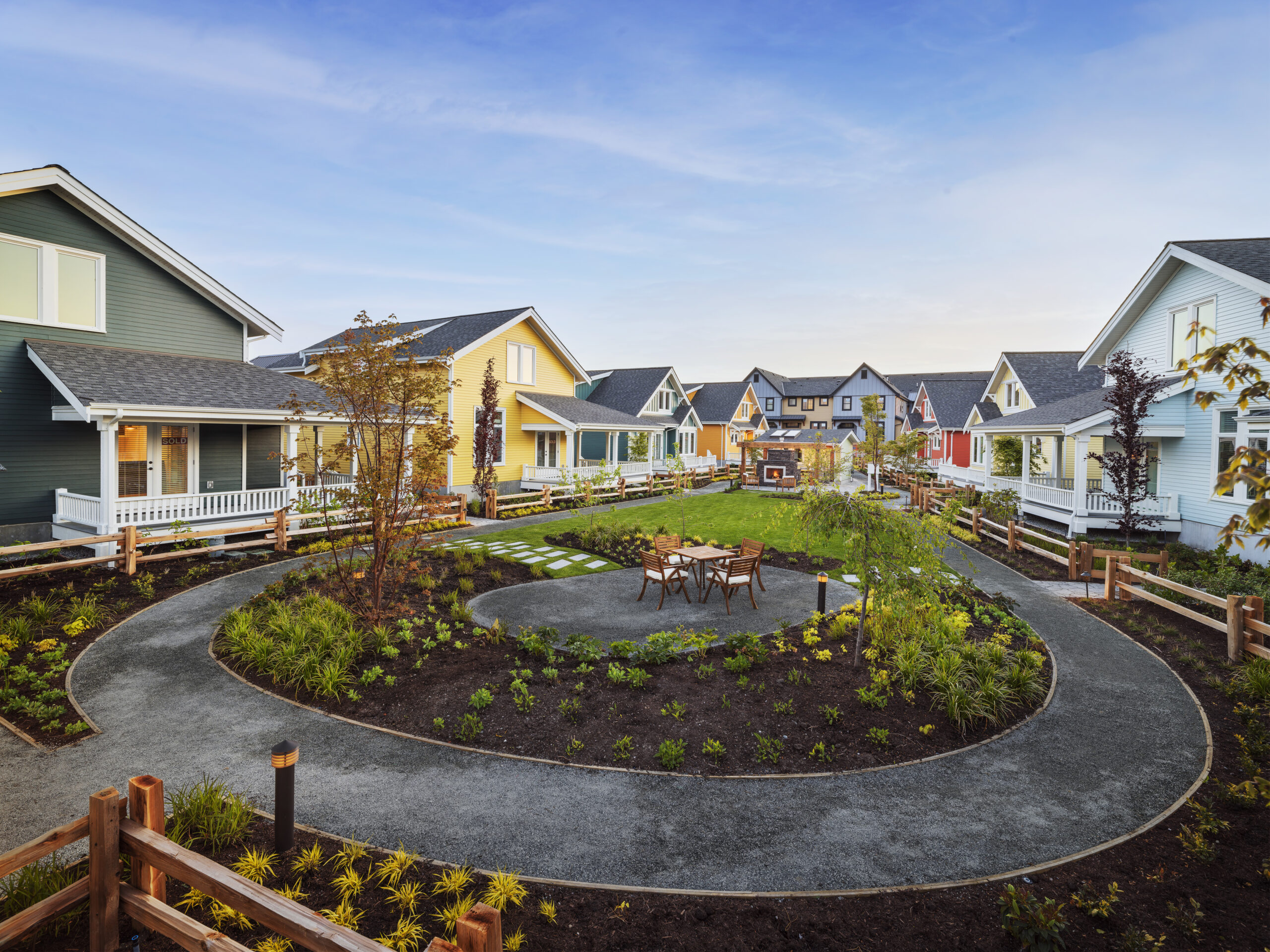
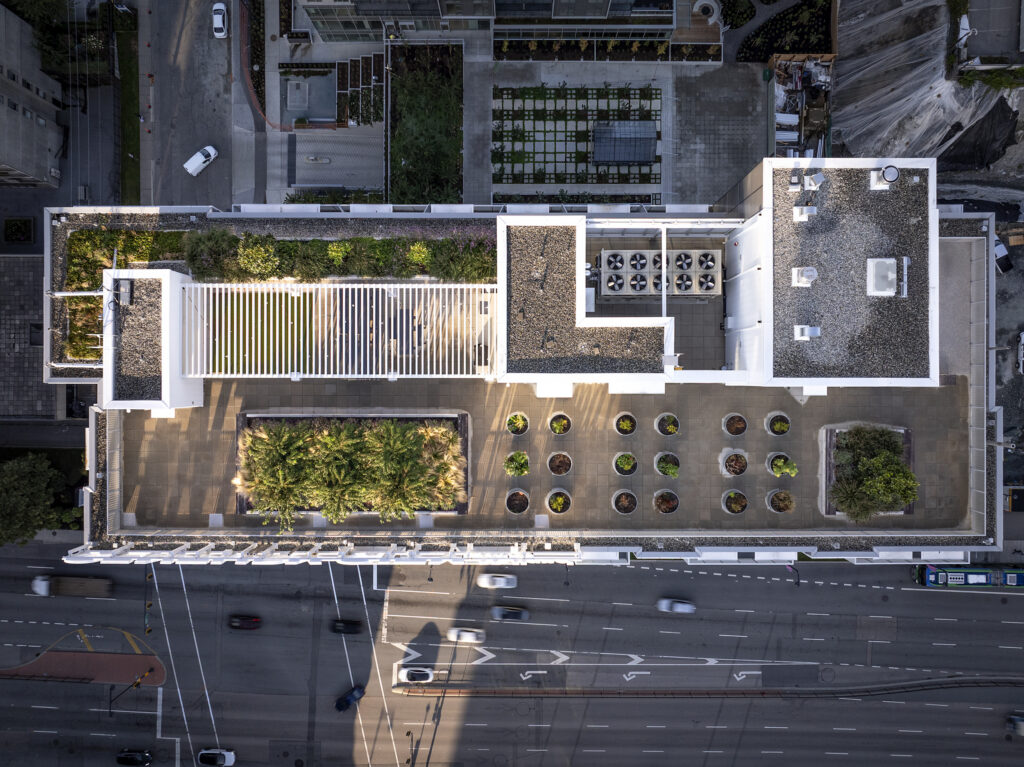
Integrating natural systems within urban design offers tangible environmental benefits alongside aesthetic ones. Green roofs reduce urban heat, enhance insulation, and support biodiversity. Rain gardens help filter stormwater and offer a unique visual feature. These solutions blend beauty with environmental function, bringing nature into the built environment.
And sometimes, developers go a step further and reimagine the model entirely.
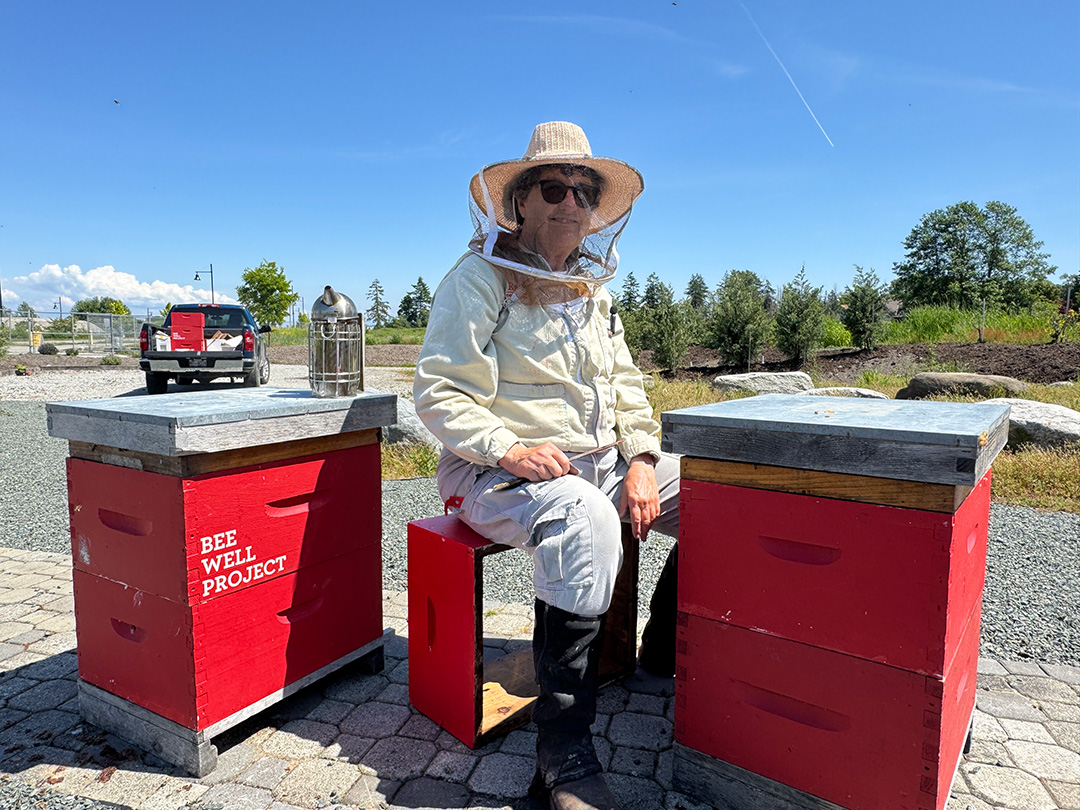
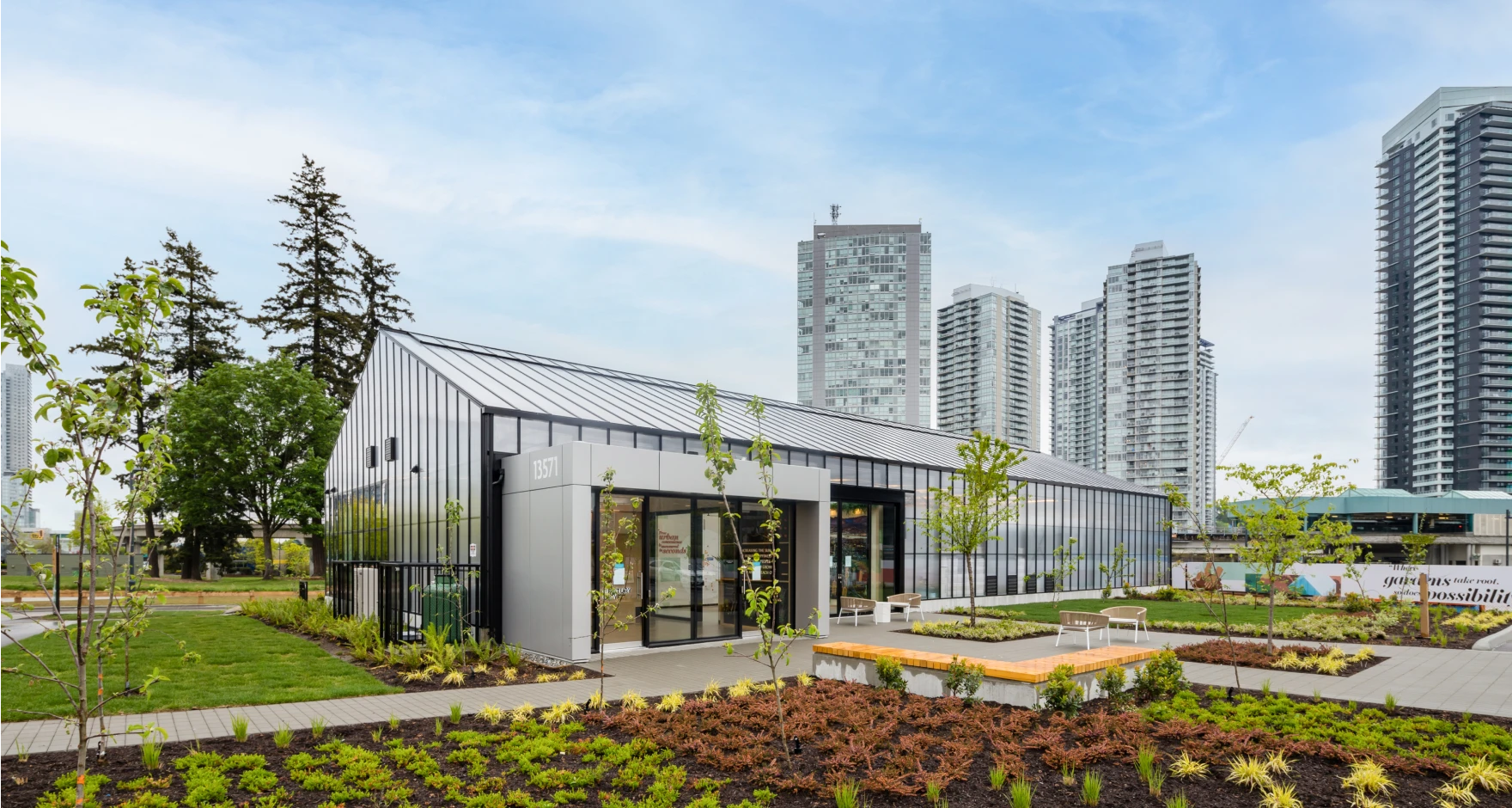
At Southlands Tsawwassen, our masterplan community is intentionally designed around farming. The 325-acre project is the first of its kind in North America. Southlands is based on the principles of “agricultural urbanism” and redefines sustainable living by fostering a symbiotic relationship between local food production and community, with every design feature and every resident contributing to the fabric of a healthy, thriving, and sustainable neighbourhood.
Bringing Nature Back into Cities
As density increases, incorporating natural elements into urban spaces becomes increasingly essential. Urban forests play a crucial role in sustainable design by enhancing air quality, providing habitats for wildlife, promoting biodiversity, and offering shade.
For people, even brief moments spent in nature are beneficial for health and well-documented. The Canadian Psychological Association notes that as little as 10 minutes outside can improve mood, lower anxiety, and boost productivity.
Green spaces also offer broader community benefits, as they provide a space for residents to come together and socialize. Community gardens, urban parks, and shared courtyards can become natural gathering points, encouraging casual interactions between neighbours and supporting mental well-being through connection.
Designing for Walkability and Transit
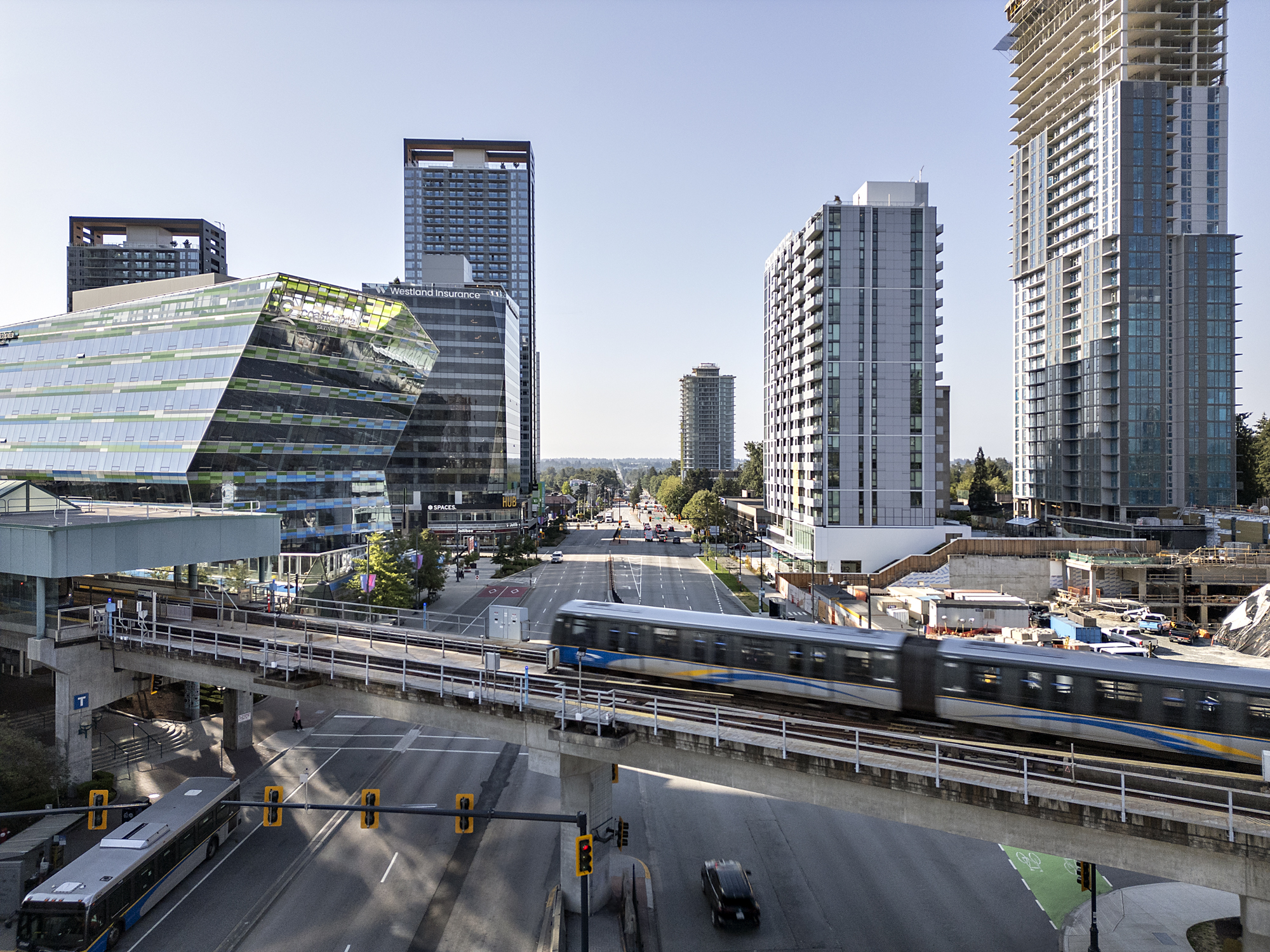
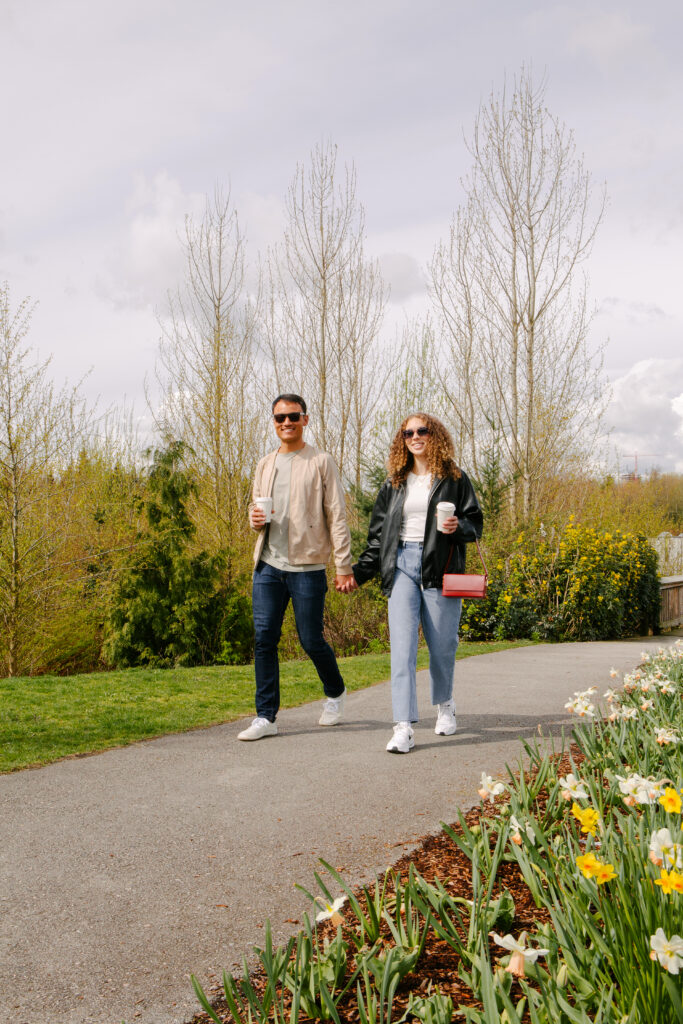
Reducing car dependency is one of the most effective ways to lower emissions. Pedestrian-friendly, mixed-use neighbourhoods with access to transit and cycling infrastructure empower people to make greener transportation choices.
Century Group’s Century City is a great example of a walkable environment designed with connectivity in mind. These environments reduce traffic congestion, improve air quality, and make better use of land. They also save residents time, money, and stress while supporting a healthier lifestyle.
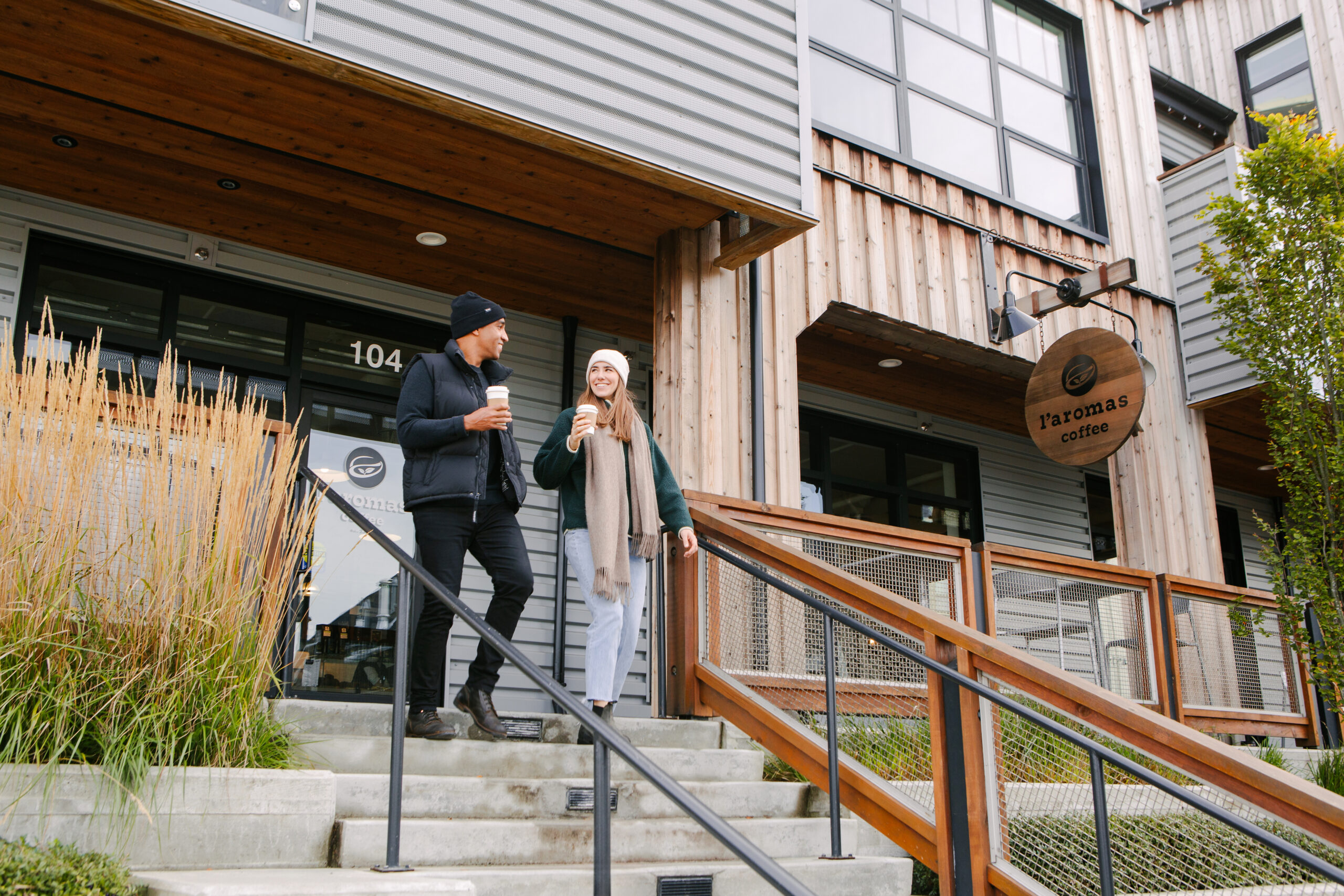
Neighbourhood walkability also contributes to a stronger sense of community by encouraging casual interactions and helping people feel more connected to their neighbours and the places they live.

Building Climate Change Resilience
Sustainable design also means planning for the future, and that includes preparing for the impacts of climate change. As climate change advances, developments must be built durably with resilience in mind to ensure that they can withstand, adapt to, and recover from changing conditions, while protecting the safety and quality of life of residents.
Green infrastructure is a powerful tool to enhance a community’s ability to respond to environmental stress. Features like green walls can help mitigate building temperatures, while bioswales assist in filtering and directing the flow of stormwater. Materials like porous asphalt help replenish groundwater, and natural stone offers durable, low-maintenance surfaces.
These choices reduce environmental impact and help future-proof communities, enhancing long-term livability while protecting residents from future climate shocks.
The way we build today shapes the world we live in tomorrow. Sustainable urban development through material choices, green integration, walkability and climate-resilient design offers a path forward for balanced, more adaptive cities. By prioritizing sustainability at every stage, we ensure that the communities we create are not only livable now but also remain vibrant and thriving for generations to come.